Year 9, Weeks 46-47 (November 23–December 6)


I’m going to be honest, I found this cycle particularly nightmarish. Granted, I’m a public health professional, and our health system took a real beating this week–but the other stories aren’t a whole lot better. Caveat emptor, and I’m sorry in advance.

Several nouveau and some classic reminders still apply: we may be well into my ninth year of journalism, but I focus on national news within my areas of expertise–which, at this point, includes (1) health news, (2) queer news, (3) news about law and government, (4) news about descent into authoritarianism, and (5) connections between news stories. NNR summaries may still occasionally contain some detailed analysis that’s outside my expertise–I’m a lawyer, not a healthcare subsidy!–but we are moving away from this model in general, as we pioneer a more focused and sustainable format.  And, of course, for the law things you read here, I’m offering context that shouldn’t be considered legal advice. Okay, I think that’s about it for the disclaimers.  Onward to the news!         


 Spills in Aisle 47

‘Toddler Supermarket Tantrum,’ taken with permission from Stockcake.com


From the Department of Health and Human Sacrifice

Image unnamed and in the public domain

Not Evidence Based (Again, Still).  After the last news cycle, I suppose I shouldn’t be surprised that we’re already seeing vaccines on the chopping block–but somehow, I still am. The Advisory Committee on Immunization Practices decided a few days ago to nix a thirty-year recommendation of giving infants Hep B vaccination at birth, apparently persuaded by RFK’s pet anti-vax lawyer. Needless to say, people who practice actual medicine are not best pleased, with the American Association of Immunologists urging the CDC head to ignore the recommendations and Senate Health Committee chair Bill Cassidy calling the entire committee “totally discredited.” In response, Trump ordered RFK and acting CDC director Jim O’Neill to axe more childhood vaccinations. Meanwhile, a leaked FDA memo used the very small risk of COVID vaccine-induced myocarditis to argue for stricter regulation of vaccine approvals, despite the fact that, you know, myocarditis is way more common as a long COVID symptom. The memo comes as yet another FDA official walks after only three weeks on the job, citing the new FDA head’s mismanagement of policy as his reason. So all of that is… not great.


Chinga La Migra

Image unnamed and licensed to the public under the Creative Commons Attribution-ShareAlike 4.0 International License

Immigration Rundown.   Immigration, ho boy, where do I start… We really saved the worst for last on this one.  Here are the lowlights from this cycle: 


Ways to Weather This

Image unnamed and licensed to the public under the Creative Commons Attribution-ShareAlike 4.0 International License

Chop Wood, Carry Water. I was recently pointed towards Jess Craven’s Chop Wood, Carry Water by the inimitable Tegan Kehoe, who featured the substack in a recent Links and Things from Tegan (alongside the NNR, which I greatly appreciated!). As Kehoe notes, Craven sends a brief newsletter every weekday with some information about recent national news. That said, I’m featuring Chop Wood, Carry Water here because she also includes tools for taking action about those stories, such as scripts for calling your reps and information about upcoming events. Like me, Craven is a full-time activist and advocate, and so far I have really appreciated her work.


‘Discord That’s All Folks’ licensed to the public under a Creative Commons Attribution-NonCommercial-ShareAlike 3.0 License

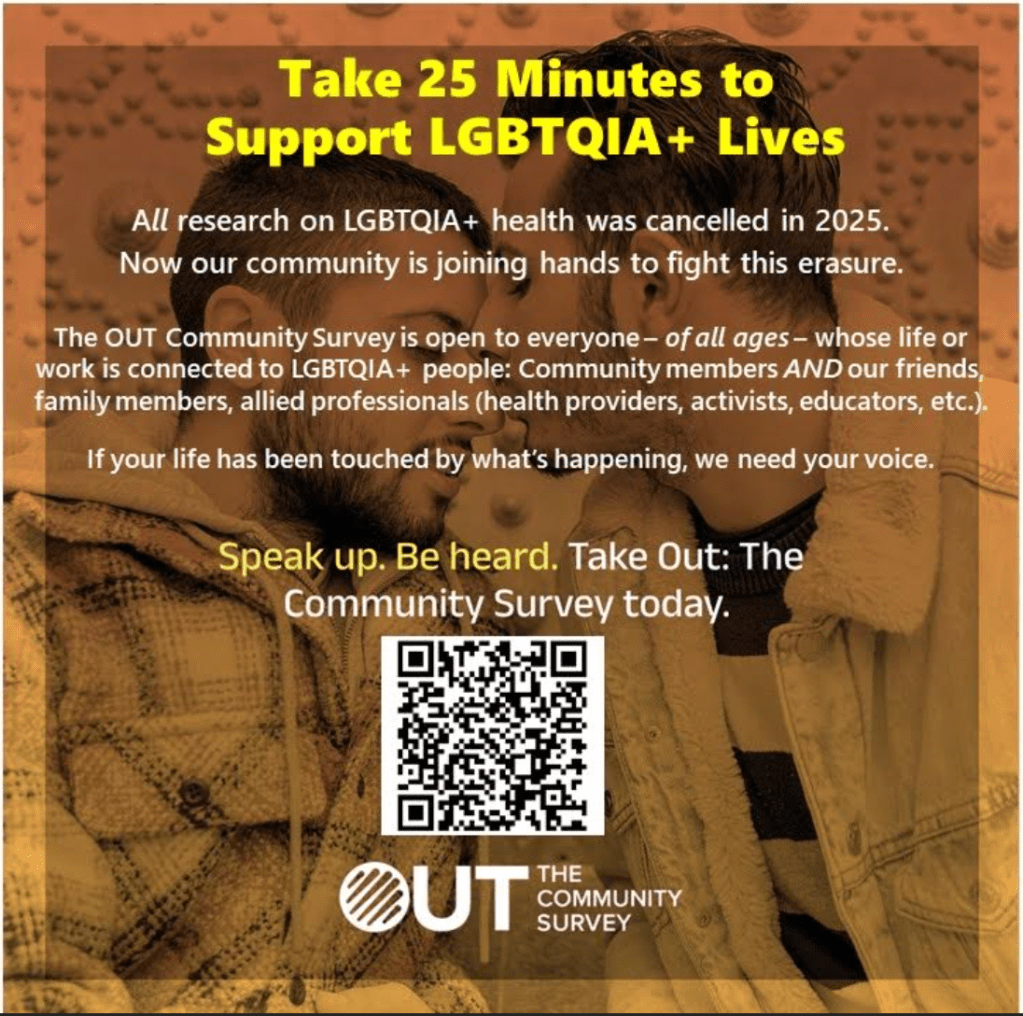
So that’s what I have for you this cycle, a day late but only $0.25 short. For making it through, you deserve this raccoon’s self-care regimen and a less corrupt government.  I’m still figuring out sustainability, and I would love feedback in the National News Roundup ask box, which is there for your constructive comments.  Send me questions! Send me feedback! Send me responses to Out: The Community Survey!

Year 9, Weeks 44-45 (November 9-22)


This cycle was a weird one, y’all–even setting aside the weird Epstein file about-face and MTG’s mud-slinging resignation, there’s a lot to unpack here. The news felt a bit like living in 2017, if 2017 involved more overt death threats. Ah, memories.

Several nouveau and some classic reminders still apply: we may be well into my ninth year of journalism, but I focus on national news within my areas of expertise–which, at this point, includes (1) health news, (2) queer news, (3) news about law and government, (4) news about descent into authoritarianism, and (5) connections between news stories. NNR summaries may still occasionally contain some detailed analysis that’s outside my expertise–I’m a lawyer, not an indictment!–but we are moving away from this model in general, as we pioneer a more focused and sustainable format.  And, of course, for the law things you read here, I’m offering context that shouldn’t be considered legal advice. Okay, I think that’s about it for the disclaimers.  Onward to the news!         


 Spills in Aisle 47

‘Toddler Supermarket Tantrum,’ taken with permission from Stockcake.com


From the Department of Health and Human Sacrifice

Image unnamed and in the public domain

Not Evidence Based.  The CDC was back in the news this week for suggesting in its official publications that vaccines can cause autism, despite the giant pile of evidence that says otherwise. Just today, RFK announced that this was done on his direct order, and I know personally I am shocked–just shocked!–by this unforeseeable information. Needless to say, this dramatically undermines what credibility the CDC still had left, and could potentially forecast less access to vaccines in the future. I recommend you hug the public health professionals in your life, friends, because despite being a predictable turn of events, it’s still a deeply disturbing thing to watch unfold.


Chinga La Migra

Image unnamed and licensed to the public under the Creative Commons Attribution-ShareAlike 4.0 International License

Swept Up in Violence.   It was a real banner time for immigration news this cycle.  The likely illegal strikes on alleged drug vessels are still ongoing, with 82 people killed in 21 strikes at the time that I type this–and increasing evidence that at least some of those casualties were civilians.  The administration also announced that they want to expand penalties faced by immigrants for using life-saving benefits like Medicaid and SNAP.  And to cap everything off, raids in Charlotte swept up 370 people over a 5-day period, which naturally included U.S. citizens, because of course it did.


Ways to Weather This

Image unnamed and licensed to the public under the Creative Commons Attribution-ShareAlike 4.0 International License

OUT: The Community Survey. Some of you have heard me talk about this effort before, but I’m really excited to say more about it here–I’m leading international volunteer work right now that I really believe will help LGBTQIA+ lives long-term. A week and change ago, my organization officially launched a study to get more info on how queer people’s lives have changed since the U.S. Inauguration, and what the current levels of oppression are doing to our health and safety.  Right now, and for ten more weeks, we’re hosting an anonymous community survey to measure that.  

It’s open to everyone fifteen and older who identifies as LGBTQIA+ or loves someone who does, throughout the entire world.  There is no payment or personal benefit of any kind connected to this survey, and we plan to make the results publicly available. It’s rooted in the simple idea that if we know what people need, we know how to advocate and how to meet this moment for our communities.  I mention this under the ‘Ways to Weather This’ section because I truly believe that it’s a form of resilience to share what you are going through and to connect with others about your health and emotional safety.  But also, we want it to reach as many people as possible, and we’re relying on volunteer partners and word-of-mouth to get the word out. 

If you’re reading this, I urge you to share how this moment is affecting you by taking the survey; we’re also still looking to partner with people and groups who have interest in spreading the word.  Please feel empowered to forward the link and these materials, and if you have any interest in partnering, give me a quick ping and we’ll make that happen.


‘Discord That’s All Folks’ licensed to the public under a Creative Commons Attribution-NonCommercial-ShareAlike 3.0 License

So that’s what I have for you this cycle, and boo on this cycle for making me kind of miss 2017. For making it through, you deserve this pupper’s learning journey and a less corrupt government.  I’m still figuring out sustainability, and I would love feedback in the National News Roundup ask box, which is there for your constructive comments.  Send me questions! Send me feedback! Send me more hours in the day!

Some brief thoughts about our current moment, society, and celebrity deaths

Hi, folks. I intend to write a much longer post in the near future about what is happening with this site, why I have been paused on the NNR for so long, and where we go from here. But in the meantime, because I truly believe we are living through a pivotal moment right now, I want to talk about Charlie Kirk’s shooting yesterday.

He was literally in the middle of advocating hateful policies to punish people for being trans while he was shot. Policies, I might add, that contradict his stated goal of freedom to bear arms, because his desire to hate trumped his desire for policy consistency. (Though the latter goal about owning guns is unquestionably more related to his death than the former.)

This man laid all the seeds of his own destruction. He was hateful and prejudiced until the very moment he died. He has been quoted as saying that mass shootings were “worth” it “so that we can have the Second Amendment to protect our other God-given rights” – a statement he obviously didn’t even believe, since he was in the middle of advocating for a gun ban for trans people when he died. He has also been quoted as saying that empathy “does a lot of damage.” This man was actively harmful to the fabric of our society. We are learning a lot, I think, by seeing Vance skip NYC today to go to Salt Lake City; by seeing 47 propose he be posthumously awarded the Presidential Medal of Freedom. For being shot in the middle of spewing hate.

9/11 means less because of these actions. The Presidential Medal of Freedom certainly means less because of these actions. We’re watching a degradation of our understanding of civil society in real time, both because these things matter less and because who dies matters more. Regardless of how you are personally feeling right now, these things matter.

Do I want people shot at rallies routinely? No. But Charlie Kirk did. Charlie Kirk died in the world he wanted. And the rest of us all have to live in it.

Tiny Troubleshooting Manual: Safely Voting in the 2020 General Elections Edition

Hi folks! Welcome to the follow-up installment of the Tiny Troubleshooting Manual, a series I made up in 2018 and we still need in 2020. I do a lot of social troubleshooting in my day-to-day work as an advocate, and though my ordinary bag is social determinants of health, civic engagement is more important now than ever! Obviously I cannot fix all forms of voter suppression or all issues created by the pandemic, but I wanted to take the time to address some of the more common fixable problems people encounter while voting.

(Note: This guide is not intended to be legal advice; rather, it is a resource compilation designed to point people towards appropriate entities for assistance.)

If your trouble is…

  1. Needing to identify your polling place or nearest voting drop box: You can check that by going to 866 Our Vote’s election protection website at 866ourvote.org and clicking on your state or by going to Headcount.org.
  2. Needing to check if you’re registered to vote: You can check that at vote.org or by selecting your state on the 866 Our Vote election protection website.
  3. Needing a mask, PPE, or other health-related accommodation to stand in line: Some programs, like the Election Defender program I’m volunteering with this year, will provide masks, hand sanitizers, and other pandemic-related supports to people on the line at polling locations. Look for people wearing gold outside of your polling location.
  4. People are engaging in illegal voter intimidation or electioneering outside of your polling place: This is another issue that the Election Defender program has sent volunteers to address. Look for people wearing gold outside of your polling location. Poll workers can also assist with these issues if they’re made aware that they are happening.
  5. Needing info on who and what’s on your ballot: You can get good, detailed information on your specific ballot at BallotReady.org or at HeadCount.org.
  6. A technical issue at your polling place: Call the Election Protection Hotline run by 866 Our Vote (which, conveniently, is 1-866-OUR-VOTE) to document the issue and see if it can be addressed today in real time. You may also be able to work with staff at your polling location to get it addressed.
  7. Needing time off from work to vote: Thirty different states require an hour or more of leave time be provided on request on Election Day; you can learn more about your state’s rights at WorkplaceFairness.org and get assistance in exercising your rights by contacting the Voting Rights branch of your local ACLU or 866 Our Vote.
  8. Needing an absentee or mail-in ballot: You may have missed the boat on this, but  866 Our Vote will have information on your state’s deadline if you click on your specific state. Many states have more expansive remote voting programs this year due to the pandemic, and most drop box locations are accepting ballots today. DO NOT MAIL IN YOUR BALLOT TODAY if you still have one; please drop it off at an official election drop box, which you can confirm online at 866 Our Vote’s site.
  9. Something else went wrong with your registration: Check whether your state will permit same-day registration; fourteen states and the District of Columbia do!
  10. Election protection information generally: Check out the resources at 866 Our Vote’s site. You may be noting a trend here–they are an excellent resource!

If you have an additional question, feel free to leave a comment below or reach out to me directly! I’ll try to keep this a living document or at least point people in the right direction. 

How Concerned Americans Can Help with Immigration Crises: An Evergreen Primer

Oren Rozen [CC BY-SA 3.0 (https://creativecommons.org/licenses/by-sa/3.0)]

(This is the googolplexth installment of a series of articles unpacking the many horrifying immigration implications created by the Trump administration. Though I am not an immigration specialist, I am a legal generalist working with indigent populations professionally full-time. This article is not intended to form an attorney-client relationship or constitute legal advice, though it is my hope that it will help people feel equipped to take action.)

As all of us living in America watch the immigration enforcement machine churn, it can be hard to know how to best help — if you’re not an immigration lawyer and not personally involved, direct action can feel elusive. But there are definitely things that help slow this hydra down, and most of us can take many of these actions in our day-to-day!

Before we start, some disclaimers: This primer is intended for folks who want to help non-professionally and are not themselves a primary target for detention or deportation— it assumes no cultural or professional ties to immigrant populations, which impacts the nature of the suggestions. Some suggestions may be difficult for government workers, but I tried to include a broad range so that even folks who can’t lobby or donate have things they can do. Okay, onward to the suggestions!


1. Know and Support the Major Players

Immigration law is quite a rabbit hole, and sub-specialization is very common — folks who do asylum work full-time may look at changes to public charge and think, “Whoa, that’s not my burrow.” But for each common issue, some credible orgs will come up over and over again. It’s a good idea to get to know these organization names, because this first step will make every other suggestion easier to do long-term.


2. Talk to Your Government

This is the veggie consumption everybody is told will help grow strong civics but nobody feels does anything. The good news is, much like eating vegetables, efforts do result in healthy growth over time!

  • Federal Calls. Reps who support immigrants respond to calls thanking them for action because it helps them gauge their constituents. Reps who don’t will still sometimes respond to pressures, and if nothing else it can help you feel better to vent your spleen. You can learn who your House rep is here, and search for Senator contact info here. I also really strongly recommend connecting to Celeste P’s newsletter — she’s a former Congressional staffer who keeps close track of government movement on this issue and will email you info and scripts.
  • State Calls. Your state reps may be considering legislation that impacts immigrants locally — here in Massachusetts, there are currently multiple bills kicking around the Statehouse. Your local organizations and research entities like CLINIC and NCSL can help you learn more about what’s going on where you are!
  • Public Comments. This administration likes to do stuff that requires a public comment period by law. Groups like Protect Immigrant Families often organize comment drives, and there are three still happening as I type this. Leaving a public comment is a great way to help create real change, and it’s not as scary as it sounds — you don’t need to be an expert, your comment likely won’t take more than an hour or two to draft tops. And because the administration has to review and respond to every single unique comment they receive, it can be really effective at slowing down hateful policy.

3. Donate Your (Culturally Competent) Time

It may not feel like it, but there are things that even a person with no professional or cultural ties can do to donate time to immigration issues. This can be a great way to feel more involved and make a concrete difference with results you can see. Just remember to center your work around the people you’re trying to help — they’re the experts on their lived experience, and this is a really rough time for immigrant populations. Folks deserve empathy and understanding if you work with them directly!

  • Interior Efforts. Many locations have accompaniment networks or bail efforts that help make sure people held by ICE are able to make it to immigration court properly, get bail granted, and receive access to appropriate conditions while held. (Here in Massachusetts, Beyond Bond runs the main accompaniment network I know of.)
  • Asylum Efforts. Many asylum networks take volunteers of all stripes, for everything from medical evaluation to ESL classes to translation services. It’s a bit easier to do direct work if you have specialized training, but many places provide general or specialized training as an initial step.
  • General Efforts. Finally, general organizations like #StandWithImmigrants have more general volunteer programs, covering everything from court observation to ESL classes to legal services intake. This can be a great way to give a more general hand as people get situated.

4. Donate Your Dollars

Everyone in this field is spread very thin right now, because the immigration crisis manages to be everywhere at once. Providing monetary support can help increase resources in a variety of different ways.

  • Sections 1, 3, and 5 Make a Great List! Unfortunately, such a multi-pronged crisis leaves a lack of universal, centralized lists to direct efforts. But most of the groups referenced above and below have links to accept donations. All my recommendations can be considered reasonable places to send money.
  • Some General Suggestions: For widespread support, national legal organizations are often a safe bet; a lot of the traction we’ve gained has come from a combination of publicity and legal work. (For localized issues such as the border crisis, obviously, a local organization may be better.) If all else fails, or you just need a quick one-stop suggestion, Charity Navigator lists reputable organizations doing good work.

5. Support Information Dissemination

This administration does a truly unprecedented amount to obfuscate information and limit the range of our free press, especially around immigration issues. The good news is, there is a lot that the average citizen can be doing to counter this, on social media and otherwise:

  • Uphold a Free Press through Sharing Links and Resources. One major way we learn about atrocities is responsible journalism — in particular, outlets like the Associated Press, the New York Times, the New Yorker, Reuters, and the Washington Post all have broken major stories on the subject since 2017. I know a lot of the major players run obnoxious op eds, and their reporting isn’t always optimal. But these news outlets spotlight 45’s worst practices; we need them to stay functional and working with advocacy organizations. Please consider disseminating links and providing financial support for their efforts!
  • Myth-Bust. MAGA minds tend to use the same false talking points about immigration over and over and over again. This garbage Groundhog Day practice does have an upside, because predictable myths have predictable counters — and many of them are relatively straightforward and simple. I compiled a list of greatest hits about six months ago, during the Obnoxious “Immigrants are Criminals” Campaign of ’18, but Snopes, PolitiFact, and other fact-checking institutions definitely have your back on new issues as they occur. Engaging with fascists on the Internet in 2019 is its own art, but it can do a lot to spread accurate information to bystanders. You really are doing something helpful by correcting common misconceptions!

6. …but Don’t Spread Panic.

I cannot overstate what a time of fear this is — the administration terrorizes people repeatedly, trying to create a chilling effect on access to rights and services. Unfortunately, studies show that’s been pretty successful, at least on some issues, and we don’t want to do DHS’s work for them. So Section 5 has a couple of important caveats:

  • Check Your Sources. News outlets in Section 5 are generally reputable sources of information, and the organizations listed in Section 1 definitely are. Whenever possible, please check information against sources, because misinformation spreads like wildfire during times of high stress and crisis. The good news is, this is another issue where Snopes, PolitiFact, and other fact-checking institutions have your back, and they’re worth taking a few minutes to review. Try to double-check social media news especially, for obvious reason!
  • Account for Vicarious Trauma. If you’re reading this, it’s likely that the atrocities going on are impacting you too — even with no direct ties, it’s really hard to stomach kids in camps. People experiencing secondary or vicarious trauma are more likely to share information in ways that panic others, so it’s important to learn what you need to recenter and stay on your game. (And, obviously, it’s also helpful to you and other activists — we’ve got to look out for each other!) I’ve written a resilience roadmap on this topic which compiles suggestions much like this piece does, but there are a lot of great resources out there in general. I promise it’s worth the time — a lot of folks can run on empty for a time, but why do it when you don’t need to and it may hurt the folks you’re trying to help?

So there you have it! Six concrete suggestions for ways you can help with the current immigration horrorscape. Please feel free to link to this essay, take links from it, or otherwise use it to keep fighting the good fight — it’s rough out there, and I’m happy to help if I can.

Aurgh, Stop Saying That: Debunking the Anti-Immigration Greatest Hits

“Internet Troll velu ill artlibre jnl,” by JNL (User created) [FAL], via Wikimedia Commons

(This is the zillionth installment of a series of articles unpacking the many horrifying immigration implications created by the Trump administration. Though I am not an immigration specialist, I am a legal generalist working with indigent populations professionally full-time. This article is not intended to form an attorney-client relationship or constitute legal advice, though it is my hope that it will help people understand what is going on.)

Hi there! If you’re reading this, you’ve either expressed an interest in learning more about common immigration myths in 2018, or somebody arguing with you on the Internet sure wishes you would. Either way, you’re here now! So while I’ve got your attention, let’s talk about how a lot of the most common far-right talking points are blatantly factually untrue, as well as being incredibly recurrent. Because let’s face it, life’s too short to have these arguments over and over.

Myth 1: “My grandparents came here legally; why don’t they just get in line like my grandparents did?”

This one’s always a fun one — for some reason, people who love to brag about how their Great Uncle Joe made a killing with his bathtub moonshine in the 1920s also love to talk about how the same Great Uncle Joe came here totally legally. And just for extra confusion, both of those facts are probably true!

This is because illegal immigration is a relatively new concept in our history, and did not exist two generations ago. Similarly, most people who stood in a line at Ellis Island would be considered undocumented immigrants today, and “the line” to enter — commonly understood these days to refer to family sponsorship, though there are a handful of other routes to lawful permanent residency — can be more than ten years long.

Myth 2: “Immigrants are criminals who hurt U.S. citizens.”

At the time that I write this list, this myth is making a big ole’ comeback because President Trump just aired a campaign ad that essentially writes it in neon letters. But as a point of order, immigrants commit crimes at lower rates than citizens as a general statistical rule. And this makes sense, because the risk of deportation created by getting caught up in the criminal justice system is a powerful deterrent. If you’ve got more to lose, you’re less likely to break laws; that’s just how human psychology works. Though people may like to claim otherwise, most immigrants — even most of those who are being deported in Trumpian America — have no criminal record.

Myth 3: “Okay, well, just being here is illegal, so they’re really all criminals as soon as they get here!”

This little gem comes up way too often for my taste, and we can probably thank the common practice of using the i-word as a noun for that. And it’s deeply obnoxious, because actually, just being here isn’t illegal.

It is true that illegal entry at the border is a misdemeanor crime — the first offense is punishable by a maximum of six months in jail; you can think of it as trespassing on the U.S.’s front lawn. But many people arrive in the United States with a legal immigration status and then overstay that status, leaving them undocumented without having ever committed a criminal act. They were invited in the front door, so it’s not trespassing, and our laws reflect that; this is a civil violation, not a crime.

Myth 4: “The Constitution doesn’t protect non-citizens.”

I honestly don’t know where we first got the xenophobic idea that the Constitution doesn’t apply to people who live here, because in addition to being wrong it just makes no freaking sense. But this myth has been coming up a lot anyway, especially as we grapple with Trump’s recent announcement that he wants to end birthright citizenship (but more on that below).

Both the Fifth and Fourteenth amendments apply due process to “persons,” which courts have interpreted to refer to all immigrants (including undocumented people). And while I’m on the subject, the same exact amendment outlines birthright citizenship, as well, so ending it wouldn’t be constitutional either.

Myth 5: “Asylum seekers enter illegally, so they deserve what they get at the border.”

I’ve had several fights about this one since we entered Caravan Rhetoric Country a week or two ago, and I don’t mind telling you, I’m tired of arguing about it. Seeking asylum is not illegal; it’s a human right that has been protected by international law for over sixty years. And in fact, it’s not even trespassing on the U.S. lawn when people just show up to claim it, because that’s how you’re supposed to seek asylum. There’s a reason for that; it’s designed to help people who will be badly hurt or killed if they return home, and in emergency situations, a person may have pretty limited ability to wait around for paperwork or even pack.

Because these people are fleeing an emergency, incidentally, it should go without saying that it’s poor form to send in 15,000 troops and give them instructions to shoot anyone who throws a rock. I’m beyond disgusted that I have to say it anyway.

Basically, asylum is the immigration equivalent of banging on a stranger’s door at 3AM when there’s someone with a Jason mask and a dripping knife on your heels— you didn’t call ahead, and you may have shown up at a weird time, because there’s a guy who wants to kill you right behind you. When someone shows up at our door in crisis, we don’t respond by shooting them. What, these rules are good enough for fictional people in horror movies but not for real people in real life?

Myth 6: “We’re the only country that someone comes in and has a baby and then that baby is a citizen.”

This one’s a relative newcomer, probably because it wasn’t a Greatest Hit until Trump made it one this past week. We’re definitely not the only country that does this; thirty-three different countries have birthright citizenship and several more have a conditional form of it. Those countries, by the way, include every single country in North America (and all but two in South America, for that matter). It’s not common among European countries, but we’re not in any way unusual for honoring birthright citizenship as a country in the Americas.

Myth 7: “Arresting and detaining everyone found crossing the border (the ’Zero Tolerance’ policy) is necessary because the Democrats passed a law requiring it in 1996.”

This one is kind of a Wrong Inception, in that it has many different layers of wrong happening at once. I wrote a whole essay about this already, but suffice to say: Nope, nope, and for extra measure, nope. First layer: It’s not necessary to arrest and detain everyone at the border, and CBP and police were only doing it because Sessions told them to. Second layer: Democrats never passed a law on this topic — it was codified by something called the Flores settlement, which was actually a court action, so no legislation exists on this at all. Third layer: The underlying cause of action began in the 1980s, when Reagan was President, so there wasn’t even a Dem President responsible for the original policy. Three strikes, please stop saying this.

Myth 8: “Immigrants take jobs away from citizens.”

Migrant workers tend to do jobs that U.S. citizens don’t want, and those jobs tend to be service jobs — while disappearing jobs in our modern economy tend to be manufacturing jobs. To this point, increased detention rates mean that some industries — again, mostly service industries — are having a tough time finding workers. This wouldn’t be true if native workers and migrant workers were truly interchangeable, because unemployed native workers would take those jobs.

Also, countless studies have shown that immigration leads to economic growth on a national scale, which means immigration ultimately creates more jobs for all markets. So instead of saying that immigrants are taking your jobs away, you should probably try thanking them for helping create economic stability. (Immigrants: They get the jobs done.)

Myth 9: “Immigrants just want a government handout.”

Most immigrants cannot qualify for most benefits for at least five years after arriving in the United States and living as lawful permanent residents, and undocumented immigrants cannot qualify for the vast majority of government benefits at all, ever, unless their status changes. And on top of those restrictions, this administration is making people afraid to lawfully access the benefits they are allowed to have, because it might have consequences for their immigration applications. This is probably one of many reasons why — as I noted above — immigrants tend to take jobs American citizens don’t want.

Note that this didn’t stop the Internet from claiming Trump ended government handouts for immigrants, but if that were actually true, wouldn’t that also mean that immigrants don’t get benefits? (Sometimes I don’t think people listen to their own arguments all the way through.)

Myth 10: “ Immigrants don’t pay taxes.”

Immigrants authorized to work are required to pay taxes; there is literally nothing about being a noncitizen that makes you exempt from paying. (Authorized workers also contribute to Social Security, in case anyone was curious.) There’s no evidence that authorized workers commit tax fraud with any greater frequency than the average population, and in fact since tax fraud has immigration consequences, it’s likely they commit tax fraud far less often than our sitting President.

But perhaps more to the point, undocumented workers can pay taxes under an Individual Tax Identification Number without having any legal status. As a result, many undocumented immigrants working under the table pay taxes and contribute to Social Security even though they’ll never see any benefits from it. This is sort of like the “taking our jobs” thing; actually, immigrants support citizens in this regard.

So there you have it! Ten myths, ten corrections, and hopefully we all learned something today. (I learned that it takes a looooong time to correct all the myths you see on the Internet.) I’ll be adding to it as we gain Greatest Hits, which I’m sure will continue to happen. Please feel free to link to this essay, take links from it, or otherwise use it in the Quest to Fight Propaganda. And good luck out there!

Marjory Stoneman Douglas and Dorothea Dix: Unpacking Mental Health and Mass Shootings

By Coral Springs Talk from Coral Springs, United States (Rally at Marjory Stoneman Douglas High) [CC BY 2.0 (https://creativecommons.org/licenses/by/2.0)], via Wikimedia Commons

There was yet another horrendous school shooting in Parkland, Florida this week, and the country has begun our by-now-traditional cycle of arguing and politicians offering thoughts and prayers and nothing changing. You see, whenever a mass shooting shooting, in the immediate aftermath most citizen responses fall into one of three categories:

  1. Expressions of sympathy, horror, and shock relating to the nature of the tragedy;
  2. Calls for (and responses to calls for) tighter gun control; and
  3. Discussion surrounding the gunman’s mental health, access to mental health services generally, and rates of violence perpetuated by and experienced by people suffering from mental health issues

It would be inappropriate for me to comment on the first type of discussion, except to say that I am sympathetic, horrified, and saddened by the tragedy as well. And though I have many opinions about the second— I did work nearly five years at a public defender office in one of the most gun-control-loving states in our country — that’s another article for another day. As your Friendly Resident Clinician-Trained Advocate, I’m here today to talk about the third topic–because I’ve been writing about it for years, and it would appear that this issue has reached Craig Ferguson o’clock. If you’re in a hurry and want to know my point upfront, here it is: Most people with mental health issues don’t shoot people, and we have no way of knowing whether better access to treatment would have prevented this tragedy, but we should have better access to mental health treatment anyway.

Are you still with me? Okay, good, because we need to spend a few minutes talking about what ‘mental health issues’ even means.

(This is an important point, because as it happens it’s not universal, and this impacts conversations on the topic something fierce.)

The most commonly accepted (though not universally accepted) definitive text for what constitutes ‘mental illness’ is the Diagnostic and Statistical Manual of Mental Disorders. We’re currently all using the fifth edition, which was published in the spring of 2013. The DSM uses a code system in order to assist physicians and healthcare professionals with providing diagnoses. These codes exist for literally hundreds of distinct disorders, covering everything from mood- and anxiety-based disorders to pervasive developmental disorders to substance-related disorders to psychotic disorders to intellectual disability to personality disorders.

Symptoms of these disorders vary wildly, and it is straight-up medical malpractice to prescribe the same treatment for every disorder. In fact, not every mental health professional is even allowed to diagnose every single disorder on this list–some disorders (like, for example, Autistic Disorder) require screening by a neurologist. About one in five American adults has a diagnosable mental health issue, and these disorders impact every known demographic in this country (though some disorders are known to disproportionately affect populations above or below a certain age, and diagnosis for some, like personality disorders, is contraindicated before a person turns 18).

[Thus concludes the lecture section of this presentation. For now.]

‘Why are we talking about definitions here?’ I hear you ask.

I note all of this because it all adds up to mean that there is no one individual thing that every single person struggling with mental illness says or does in this country. This is a big deal, and it has to be where we begin this kind of discussion, because it means that almost from the very first words of a discussion on Facebook, twitter, or elsewhere many people are talking past each other.

I have heard many people mention recent studies on twitter and Facebook that show that people struggling with mental health issues are actually more likely than the average population to be the victims of violence. These studies reflect a common sense understanding that people who suffer from mental health issues may experience prejudice, discrimination, and vulnerabilities that are not shared by the general population. (There are also many studies linking mental health issues to penal populations, where people with some types of diagnoses may be particularly exposed and vulnerable, but I’ll get to that in just a moment.)

Yet, some people who commit atrocities, apparently including Nikolas Cruz, suffer from mental health issues; this is undeniable fact. Common sense (correctly) tells us that people who ingest substances that create an altered state of consciousness may also experience changes in their insight, perception, and judgment, all of which can lead to violent exchanges. Many (though certainly not all!) people who experience psychotic symptoms, when combined with paranoia, can see and hear things that are not there which cause them fear, and frightened people can sometimes engage in violence. This does happen, though it does not seem to be what happened at Parkland. This is why we, as a culture, have created a ‘not guilty by reason of insanity’ verdict for criminal trials over time–we understand that crime and mental illness may be linked and may affect culpability.

The important point here is that people who discuss violence and mental illness with regards to perpetration and people who discuss violence and mental illness with regards to victimization are both right, and it’s because for all practical reasons there are as many different kinds of people who suffer from mental health issues as there are kinds of people generally within the US. Saying “people with mental illness commit violent crimes” is about as useful as saying “people born with thumbs commit violent crimes.” You were born with at least one thumb, right? Have you used a gun for mass murder lately? Yeah, that’s what I thought.

[With much apologies to anyone out there reading this who was born with thumb aplasia–keep fighting the good fight, my friends.]

So having discussed the concept of mental health generally, there is an obvious corollary question as it pertains to any mass shooting tragedy, but particularly one like our most recent:

Why do I hear people talking about access to mental health treatment like it is going to fix this type of issue?

Access to services and insurance coverage for mental health is is a very big, very long discussion, and one I have written many, many pages about over many years of study. I will try to spare you the treatise and give you a Cliff’s Notes version. But first, I’m afraid there will need to be a history lesson.

[I did warn you that the lecture would resume at some point…]

At one point in time, mental health treatment in this country really was like something out of a horror story; there are numerous accounts of people being kept in dark places, chained to walls, lobotomized, and electrocuted, and otherwise just horribly mistreated. Much of the early reform for treatment of people struggled with mental health issues is credited to Dorothea Dix, an activist from the mid-1800s who remains something of a personal hero to me (even if many of her efforts were later subverted). Once we made the transition from chaining people in basements to creating and maintaining asylums, hospitalization remained the way that we as a country handled serious mental health issues for many decades.

[Arkham residents not pictured.]

Sometime around the 1970s, however, people began to heavily question the practice of institutionalizing people with mental health issues, largely because the thing doctors were noticing about putting people away for long periods of time is that they never seemed to really get better (though there were also administrative costs and a very famous study involved). There was a push to start initiating community-based care in clinics and comparable outpatient organizations–which is a model we still somewhat use today in this country to address issues of mental health.

The thing is, in some ways deinstitutionalization could not have happened at a worse time. You see, the push for deinstitutionalization happened largely in the 1960s and 1970s, which was a time when we were making changes to how health insurance worked in this country as well. And mental health coverage is, among other things, often incredibly expensive, even at the outpatient level. So this ultimately culminated in fewer community health options and more restricted insurance coverage for many people with mental health issues. In other words: People weren’t accessing treatment at the rates they should, because there were fewer places to get it and also it cost more. That’s still true today; less than half of people living with a mental health condition in this country receive evidence-based treatment for their conditions.

Around the time that deinstitutionalization began to reach its peak, people began to notice a disturbing trend about the interaction between mental health and prison systems: the percentage of inmates with mental health issues was going way up. Multiple recent studies have shown that prison populations now contain much higher rates of mental health issues than the general population.

Picture by By https://kazan.vperemen.com/ (Own work) CC BY-SA 4.0 via Wikimedia Commons

An honest and frank discussion about mental health issues in this country would be remiss if it did not also at least touch upon the plethora of other confounding and complicating factors about access to treatment (such as homelessness, incarceration, and autonomy in healthcare decisions, to name a few). But many people believe that fixing these difficulties in accessing services will drive crime rates down, and I think they are right–up to a point. Certainly the number of crimes that are committed due to untreated symptoms will decrease, and I firmly believe that a more streamlined substance abuse recovery system would make a huge impact as well. For these reasons, and because I believe that the American criminal justice system is a grossly inappropriate institution to rely on for mental health treatment, I am a huge proponent of increasing access to mental health treatment in this country.

…which brings us back to Nikolas Cruz. This section is the hardest section of this series to write, because it gets at the real heart of the discussion: How does access to mental health treatment affect tragedies like the one that happened at Marjory Stoneman Douglas High School in Parkland, Florida?

Much has already been written about Nikolas Cruz’s extensively-documented history of mental health issues, telling us that he was diagnosed with ADHD, depression, and “developmental and learning disabilities.” Given what I have read, if one of those “developmental disabilities” wasn’t conduct disorder, I will eat my hat. You see, there’s no noted correlation between ADHD and mass shootings — in fact, most of the main features of ADHD (disorganization, distractedness, inattention, forgetfulness, to name a few) don’t lend themselves to premeditated action at all. And the connection between depression and premeditated murder is attenuated at best. But …well, let’s talk about the diagnostic symptoms of conduct disorder, the adolescent precursor to Antisocial Personality Disorder (which cannot be diagnosed before age 18). I have bolded the things we see reported in the news as part of Cruz’s personal history before the Parkland shooting:

“A) A repetitive and persistent pattern of behavior in which the basic rights of others or major age-appropriate societal norms or rules are violated, as manifested by the presence of at least three of the following . . . criteria in the past 12 months from any of the categories below, with at least one criterion present in the past 6 months:

  1. Aggression to People and Animals
  2. Destruction of Property
  3. Deceitfulness or Theft
  4. Serious Violations of Rules

(The remaining diagnostic criteria relate to age, distinguishing from Antisocial Personality Disorder, and absence of signs of other disorders. He probably met the criteria for APD as well, though it would appear no one had diagnosed him with it; you can read those criteria here. The disorder also can occur with or without ‘limited prosocial emotions,’ which is a fancy way of saying ‘this person doesn’t appear to have normal levels of concern or empathy for other humans.’)

As this list suggests, conduct disorder is noteworthy because potential symptoms are disregard for social norms, aggression, destructive tendencies, and a lack of showing of empathy for other people. In other words, the very things that might cause someone to commit this kind of atrocity are potentially enough to diagnose someone with a mental health disorder in the DSM.

(I want to be very clear that diagnoses such as conduct disorder or antisocial personality disorder are by no means a guarantee that someone will commit this kind of atrocity; a person who frequently skips school and then lies about it can be slapped with the same exact diagnosis. As with so many things, it’s a question of severity and also a subjective assessment on the clinician’s part.)

APD Exhibit A: Nikolas Cruz. APD Exhibit B: This guy.

Diagnoses like conduct disorder and antisocial personality disorder are controversial, because some people believe they merely convert criminal behavior into a mental health issue. And antisocial diagnoses are notoriously resistant to treatment, though I personally believe they can be treated in some instances and it is my sincere hope that we identify more effective treatment for these diagnoses soon.

Would access to mental health treatment have prevented this tragedy? It’s tough to say; as a few articles have noted, Florida’s track record of access to treatment is abysmal, and studies show that adequate treatment can definitely reduce instances of violence in general. And perhaps more to the point, Cruz should have had access to treatment because we should live in a country where people receive reasonable evidence-based treatment for their health issues. But on the other hand, we don’t actually have evidence-based practices for treating antisocial issues like conduct disorder, and Cruz’s personal history is a ticky-box nightmare — in particular, there is a long-documented correlation between zoosadism and premeditated murder, and those studies I just mentioned weren’t about premeditated violence; they were about violence generally (and often impulsive violence at that). Treatment — for his documented diagnoses or otherwise — might have prevented this, but it also might not have. And we can’t know, because he didn’t get access to treatment, and then this tragedy happened, and we can’t take it back again.

Access to mental health treatment is a very important issue to me, and I will continue to advocate vociferously for better access to care and services until the day I die. As the first two sections of this series suggest, I do believe that it is incredibly important that we address this issue, for reasons of public safety and humane social welfare. But it is not a panacea, and it is disingenuous and dangerous to discuss the issue as if it were. The fact of the matter is, none of us can know whether it would have helped in this instance. We should have better access to treatment because our entire society benefits from better access to treatment, and it shouldn’t take a horrendous tragedy like this to discuss it.

Living in Troubled Times: A Trauma Resilience Roadmap

Photo courtesy of Wikimedia Commons

Let’s face it: As we’re navigating The Trashfire National Policy of 2017, we’re all getting traumatized — it’s tough to get used to that dull-roar screaming we all hear every time our illustrious President vents his spleen on Twitter. And many of us have other stressors in our lives that are making it even harder to navigate, because life does go on even in the face of an abusive relationship with our government — and life is hard. And all that is before we consider the very real practical realities of living without necessities like food or water, or living without healthcare, or living in fear of physical attacks. In the wake of this weekend of introspection, I’ve had many conversations with folks about how to live instead of just surviving, and in some cases simply about how to survive.

So I’m taking off my lawyer hat for a moment, and putting on my trained clinician hat, to talk to y’all about how to deal with trauma. And to begin this conversation, we need to start with a simple truth commonly understood by first-responders everywhere, and borne out by research: Trauma is a form of infectious toxin. You have to clear it out in order to get healthy, and staying healthy will help you resist it further, both in your own life and when loved ones’ trauma threatens to infect you. And that’s not to say that we should stop exposing ourselves to toxins, which often isn’t possible and in many cases would be morally reprehensible. Rather, I’m saying the opposite: Because we’re all in this toxic soup together, that means we gotta help each other, and to keep doing that we also gotta help ourselves.

So I’m submitting for your perusal a kind of Trauma Resilience Roadmap — concrete suggestions and links to research, separated into three buckets: Do This Immediately, Do This When You Feel Able, and This Will Take Startup Cost But Will Help I Promise. I can’t promise it will fix everything, but it’s my hope that for many people (including myself), it will be a start.


Do This Immediately (or: Emergency Recentering Treatments)

These are the things you need to do when you’re at the stage where you’re asking, “But how do I survive?” Acute crisis mode has its own set of rules, and that can be hard to accept but it’s important to acknowledge. The flip side is that acute crisis doesn’t last forever, and this list will hopefully help you come out the other side.

  • Give yourself permission to tune (non-essential) things out. Whatever secondary things are stressing you out, and I’m guessing this is a large list, it’s okay and even a very good idea to put it down for a moment or two when you’re in crisis. Twitter will survive a Monday without you. That friend who needs an ear about her mortgage payment can find another one this Tuesday. Obviously, this only works on the stressors that aren’t center-stage right now. But I honestly, truly mean this: It’s okay to be ruthless about random stressors when you’re in crisis.
  • Start a list of images and activities that always soothe you. This might be hard if you’re in the middle of a huge amount of stress, but even something as simple as “I feel better when I look at otter pics” and then looking at some otter pics can buy you a tiny bit of cope (which I’ll colloquially refer to here as “cope points”), and that can be pointed towards a larger and more permanent form of help down the road. Don’t aim for an exhaustive list right now; just list the stuff that you immediately think of as bringing you joy and comfort, with a bias towards things you feel able and ready to do right this moment. And if you know things that you don’t feel able to do right now but always help (e.g. going hiking, mindfulness exercises, book-binding), go ahead and put them on the list. But don’t try to do them right now; they’ll still be there when we get to Phase 2.
  • Accept (even trashy) activities that help you tread water. For me, this happens to be inane phone games — they take up my whole screen and block out social media, which means I’m definitely tuning things out as I play (and also, match-3 games are really satisfying for me; I have no idea why). It might be eating junk food for you, or watching really crap television, or reading truly awful fiction novels — things that if you were doing well might make you think “I’m judging myself for doing this right now,” but aren’t actively destructive or harmful. This can also be low-cost things that you’re less likely to be self-judgy about (e.g. watching really good television, eating delicious salads, reading excellent literature) but hopefully you started doing those already with Item #3. If you aren’t, you should let yourself do those things in your spare moments. If you are also doing Item #2, you have more spare moments to do them. 🙂

Here’s a sample beginner list:

1) Watch my favorite movie;

2) Read some really awful fanfic;

3) Look at cat GIFs on the Internet;

4) Cookiepalooza;

5) Play Rock Band


Do This When You Feel Able (or: Convalescent Recentering Activities)

These are the things you need when you’re at the stage where you’re asking, “How do I live instead of just surviving?” It’s my guess that after nine months of President Cool Ranch Mussolini, most of us are who aren’t in immediate crisis are hanging out at this stage. It’s the trauma equivalent of being stuck in bed with a stomach bug yelling “but I wanna eat tacos!” — we’re all well enough to miss things, but not well enough to have them yet. This part of the primer is the transition from “I can’t get out of bed” to achieving your taco-nomming dreams.

  • Stay well-fed. This one can be hard for people in the middle of crisis, for about a million reasons. But once you’re feeling okay enough to pay attention to it without feeling like OH MY GOD A MILLION THINGS I CANNOT EVEN, good food hygiene is an incredibly valuable foundation for mental health; there are lots and lots of studies that show that people who are experiencing trauma are less able to adhere to good food hygiene and also suffer more when they can’t. If you’re a person who has trouble eating when stressed, “good food hygiene” can look like “I ate some Cheetos at midnight before I fell asleep in an orange-coated haze” as long as other, more nutritious calories happened also — it doesn’t literally mean “only eat things that are good for you;” it means “put calories in your system on a regular basis so that a blood sugar crash doesn’t happen on top of everything else.” (Long-term daily Cheeto binges might lead to other problems, obviously, but we’re talking short-to-medium-term here.) Some people do have the opposite reaction to stress, and stress-eat everything in sight; for those people, good food hygiene might look more like “pause and evaluate whether I feel hungry before I put this thirty-first food item in my face.” (Note that we’re discussing common immediate stress reactions to food rather than systemic eating disorders, which obviously have their own set of rules and treatments.)
  • Get enough sleep. This is basically the same as the notes above — good sleep hygiene is a tremendously helpful foundation for mood. But this one is super hard to do if you’re not doing well; I personally find it about a million times harder than shoving food in my face when I’m too stressed to be hungry. For me, optimizing sleep hygiene looks like skipping that third cup of coffee (unless I really need it), taking a melatonin pill before bed, and hoping I don’t have nightmares. Your mileage may vary. But in general, the more other forms of decompression help, the more sleep stops being an elusive beast and becomes a regular part of life again. And that’s a really important step for resilience.
  • Ride the Hygiene Horse generally. There is absolutely zero shame in forgetting to brush your hair, skipping a shower, or otherwise forgetting a regular daily hygiene thing when you’re in immediate crisis — in fact, it’s a common symptom that something is very wrong. But once you’re out of crisis mode, it’s super easy to start being angry with yourself for forgetting things — or doing the opposite, and feeling like you just don’t have the energy for tasks like showering. (Or both. Some lucky people experience both.) But once you’re in “I feel ready to eat and sleep normally” mode, it’s a good time to make sure you’re keeping ordinary hygiene habits all around. They help, and they matter, and not doing them long-term can affect mood and keep you in a dark place.
  • Make a more complete, long-term list of recentering and joyful things. Once you feel able, make a comprehensive list of all the things that bring you joy and help you feel More Able to Even after you do them. Hopefully, most of the things that are really easy (e.g. “Look at doggo pics,” “Reread my favorite novel,” “Eat Cheez-Its”) are already on your list, but this is a good time to add the less low-hanging fruit — things that you know help but didn’t feel approachable in the middle of crisis. It’s also a good time to spend an hour or two really thinking about what brings you joy and comfort — and if you feel able, take your best guess at what is an easy thing, what is a medium thing, and what feels like a hard thing right now. You may or may not feel ready to do all these things (and my guess is some of them will feel super far away), but making a list of them helps you prep and move forward for when you do feel ready. And some of them might feel within reach, which can give you back extra cope!
  • Try simple meditative activities (that aren’t literal meditation). A friend of mine mentioned meditative coloring today, which honestly is a really good low-cost meditative activity. Some people find cleaning to be stress-reducing when they’re at this stage. If you’re like me and find repeatedly stabbing things really satisfying when stressed, embroidery is pretty great. The goal is to aim for things that give you a quick cope point in the moment, don’t eat more than maybe one cope point to set up, and then give you an extra cope point when you can look at them later and think “Look what a productive thing I did!” But at this stage, easy activities that you know how to do and feel comfortable doing mindlessly are best. Bonus points if they’re also on your list. (Also, this is a great way to slowly expand your list! 🙂

Here’s a sample second-stage list:

1) Easy activities — I’ve been doing these all along
Watch my favorite movie; Reread my favorite book; Look at cat GIFs on the Internet; Eat Cheez-Its; Play Caves of Qud

2) Medium Activities — try some of these if I can
Embroidery projects; Meditative coloring; Clean my workspace; Read nonfiction; Cook more meals

3) Hard Activities — I’m not ready for these yet
Learning book-binding; Going on regular hikes; Working on my novel; Going to the gym regularly


This Will Take Startup Cost But Will Help, I Promise (or: Long-Term/Preventative Recentering Activities)

These are the things that you want to keep in your life as you navigate low-grade ambient stressors (such as hearing 45’s voice on the television as he discussed tax reform) — it’s for when you’re feeling well enough that you should no longer be tuning out the white noise that accompanies an inherently traumatizing atmosphere. We owe it to ourselves, and to each other, to do what we can to stay engaged but healthy as we all walk through this nightmarescape. Here are my modest suggestions for how to do that when you’re not in crisis.

  • Get out of the house on your own terms. Meet a friend at a bookstore; go for a walk; get some coffee from that awesome cafe you haven’t been to in a while. Something that requires physical movement, brings you joy, and feels like the opposite of retreating or withdrawing. It’s super-important, by the way, that this be a thing that you are doing for yourself and on your terms, rather than because someone dragged you or guilted you into it. It’s not going to be useful for decompression if you’re being dragged (and you’re not the one doing the dragging).
  • Try some of the stuff marked ‘hard’ on your recentering list. Try your hand (see what I did there?) at watercolor, or some other task that you know brings you joy but has felt far away lately. Don’t be angry with yourself if it doesn’t quite click; these are things that take cope to give cope, and it just means you didn’t have the cope for them yet. Go back to some of the easier tasks and do those — you’re still healing, is all. But if the thing brings you joy and feels net-positive, it’s a really helpful marker for knowing where you are in this process. Plus you got to do a thing that brings you joy! (Note: Now is also the time to purge the list items that you felt kind of mixed about or would be harmful to rely on too long in the long-term.)
  • Try more complex meditation. Some people find going to the gym really meditative. Some people get a lot out of traditional mindfulness meditation, such as guided meditation or progressive muscle relaxation exercises or something similar. I’m partial to singing-based meditation. But basically, this is the time to try varying simple tasks that are meditative through repetition (e.g. coloring, sewing) with activities that are meditative in a more traditional sense. There are lots and lots of studies that show that meditation can be extremely helpful to people for stress resilience, but trying to do it when you’re still actively processing toxic trauma is really hard.
  • Consider setting up a therapy appointment. There is seriously zero shame in setting up an appointment if you think about it carefully and decide you need one. There’s also zero shame in deciding it’s not right for you. Basically, just a good thing to evaluate at some point — people see an eye/nose/throat doctor if they’ve had a sore throat for forever; people should also see a therapist if something has been wrong with their stress or trauma levels forever.
  • Evaluate what stressors you are managing. Some stressors (e.g. natural disaster, getting sick, jerks on public transit) are not avoidable, and will always require navigation and detoxification. Some (e.g. a romantic partner wanting to spend time with you) are stressors when you aren’t doing well, but are either positives or neutral things when you are doing better. And some (e.g. that one friend who wants you to loan them $20 literally every day) are literally always stressors and never necessary to navigate. Figuring out long-term planning for stressors, and how to set boundaries for the random white noise you just super don’t need, takes energy but also is generally a really good step for health. Approaching stressors with intentionality can both help you gate-keep and also give you a sense of control over your situation.
  • Keep doing all the things on the convalescing list. We don’t stop needing the things that bring us joy when we’re no longer in crisis; in fact, ability to do the things that bring us joy is arguably what it means to be living rather than surviving in the first place. And things like good food/sleep/personal hygiene and staying hydrated stop being optional when we’re constantly taking in stress.
  • View your stressor intake and decompression as an equation that needs to be balanced. You can take in more stressors when you have more in place to center you. You can take in fewer stressors when something major is going on — be it crisis, chronic limitations, or something else. At the end of each day, this equation needs to balance, or burnout, depression, and disengagement can occur. And that’s an outcome nobody wants, or even should want.

The reality is that most of us will yo-yo between these three stages as new horrors crop up and create new crises — it’s like a morbid game of Chutes and Ladders that we play with our mental health instead of meeples. And when something serious happens, and you have to go back to the beginning of the roadmap, that’s okay — being able to identify and acknowledge current stage of crisis, and current level of trauma, won’t fix everything. But it’s an important set of tools that we can use to support ourselves and each other. We can get through this, and we will. It’s my hope that this roadmap will help.

Niños in New Bedford: Some (Almost) Brief Comments on This Week’s ICE Raids

Hi again, folks. I’m hoping to finish the news roundup later today, but first, I think we need to have a really difficult conversation about ICE raids and immigration. This isn’t going to be fun for anybody involved, and I’m sorry in advance. Were we speaking in person, I would take you out for ice cream after. (Consider this paragraph my virtual ice cream to you.)

The Background

I’ve seen a lot of people interacting with this article by the Washington Post, and also this article by the New York Times, to talk about an increase in ICE raids in at least six states in the country. It is a scary time, and there is a lot of evidence suggesting that immigration officials have stopped prioritizing people suspected of criminal activity in favor of simply rounding up every brown person who can’t produce papers fast enough. And we need to be talking about that, and planning, and responding.

But to understand the terror that these populations are experiencing, and to understand how to best organize and react, we also need to talk about the history of ICE raids in this country. The New York Times article includes quotes like “This is new” and describes people swept as demographics “that the government had not previous paid much attention to.” (And though the Washington Post article does eventually do a great job of describing enforcement patterns, they similarly lead by describing raids against people with no criminal record as “an apparent departure from similar enforcement waves during the Obama administration.”) These things are true, in the broadest sense of the term, because eventually the Department of Homeland Security did repeal Secure Communities in favor of a Priority Enforcement Program under President Obama. But that was in November 2014, six years into his presidency and only a couple of years before Secure Communities was put back in place with a vengeance last month. The reality is that many of these communities are afraid because they know what to expect. They have seen — and lived through — this before.

The Background Background

By way of example, let’s look at a local bogeyman here in MA: the New Bedford raids. These raids happened ten years ago — before I was settled in this area, or had even graduated law school — but I can tell you about them in excruciating detail anyway, because they are still talked about so often by both colleagues and the larger local community.

The New Bedford raids were part of a raid strike by ICE in 2006–2007, along with other, similar workplace raid efforts throughout the nation (such as ‘Operation Wagon Train,’ which resulted in raids throughout the midwest that swept up almost 2,000 people). These efforts were part of an upward trend in raids conducted by the National Fugitive Operations Program — by 2007, it had a budget of over $2M and was apprehending thousands of people per year, although it was pretty much failing in its official stated goals because only 9% of them were convicted of criminal charges. In many of these raids, people who ultimately coughed up documentation of legal status were detained for months and months before they could prove it. As far as I can tell, the New Bedford raid details were extremely representative of the contemporary national realities, which share a lot of similarities with those we face today.

In March 2007, over 300 ICE officials swarmed a single factory in New Bedford that was known for employing undocumented immigrants under sweatshop conditions. The officials simply split the entire factory into two groups: those who could produce documentation and those who couldn’t. About 362 people were arrested, detained, and mostly sent to Texas to await deportation proceedings; many of them were caregivers for small children who were U.S. citizens. ICE repeatedly kept the child and welfare department here from implementing efforts to assist these families, eventually prompting the governor of MA to call the entire thing “a humanitarian crisis.”

The story gained national attention, in large part due to the indiscriminate nature of the raid, the immediate transport of those detained across the country, and the documentation of extremely poor detention conditions. (It also eventually led to a lawsuit on behalf of the workers, which is a silver lining on this whole thing but also a whole other story). Literally hundreds of families were impacted, in a community that only has about 100,000 people total living in it. Other than some allegations about creating false IDs and hiring practices for two people who weren’t even swept up in the raid itself, the whole thing had absolutely nothing to do with criminal allegations; it was simply designed to show the force of Immigration and Customs Enforcement as a department. This is what people are afraid of: an over-funded, over-armed department that could swoop in, jail, and deport hundreds of people just trying to live their lives at any given moment. And they aren’t afraid because they don’t know what is going to happen to them; they are afraid because they do.

The Foreground

So why am I telling you all of this? And, more importantly, what do we do with all of it? Though I don’t claim to have all the answers to a difficult situation, I can at least provide some thoughts (and assure you that I’m not sharing human tragedy for the fun of it, while I’m at it). Here are some preliminary suggestions for how to put this information to good use:

  1. Help concrete fears to lead to concrete planning. People are afraid of very specific things happening to them, because they have happened before, and that means they can also benefit from planning how to handle those specific things. A lot of advocacy communities right now have excellent resources for pre-raid planning and other forms of safety planning. Individual families have individual needs, and a lot of those needs are going to involve people’s safety; helping people organize their thoughts on those needs gives them agency as well as helping them logistically.
  2. Don’t assume that “Know Your Rights” assistance will cover all immigration needs. A lot of folks can benefit from information about how to handle ICE presence, especially in situations like a single ICE officer showing up at your door. But a lot of folks do know their rights, and when it’s over 300 officers with a SWAT team at your workplace all of that can go out the window very easily, regardless. Helping people know their rights is a good start, but it is only a starting place.
  3. Start from the presumption that ICE can, and ICE has, and ICE will, whenever you learn new information. This is an organization that historically has enjoyed a lot of backing, a lot of funding, and a lot of power. Its target demographic, in contrast, is one of the most vulnerable populations living in America. When hearing new stories, it’s always important to trust and verify, because scared people can create a rumor mill like nobody’s business. But in general, I recommend that you start from a presumption that ICE practices being reported probably are happening, instead of starting from a presumption that practices are being exaggerated.

We’re heading into dark times, folks — and unlike building a wall, or banning all refugees, this bit of immigration horror show is not uncharted waters. We have to expect to see smoother sailing.